Description
On the site of the former archeologists’ shelter, the museum was built in 1930 and was recently renovated. Tizatlan was one of the four fiefdoms of the Republic of Tlaxcala alongside Tepeticpac, Ocotelulco and Quiahuixtlan and it has structural remains from the late pre-Hispanic era, together with a very early Christian chapel.
Historical overview
Up to 2010 the site museum was in the adapted former “camp” building used during the site’s archeological excavations since the 1930s. The museum was opened to the public in October 1998 during the anniversary of the founding of the city of Tlaxcala by royal license on October 3, 1525. As part of a major maintenance program to the building carried out by the Tlaxcala INAH Regional Center in 2010 it was decided to transfer the archeological material on display to the Tlaxcala Regional Museum, while the graphic supports were safeguarded in the store of the Tizatlan archeological site.
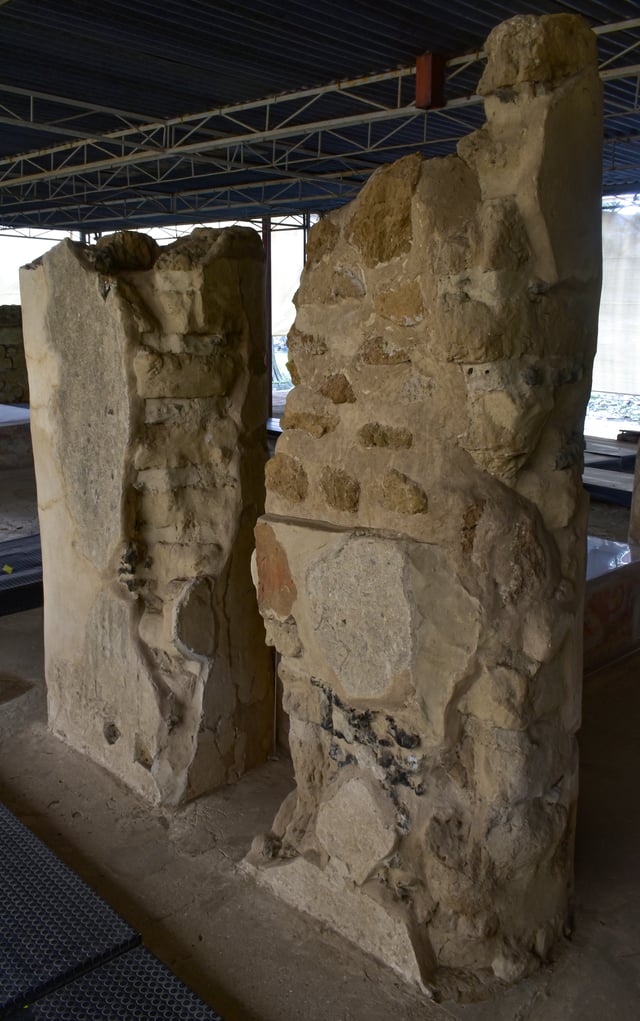
The site consists of a complex of structures with elements from the pre-Hispanic and early viceregal periods, namely the Great Platform, and the area of plinths and polychrome altars, and a sixteenth-century open chapel. The museum also had three small rooms built with the technology and materials of the region, such as xalnene (sandstone) and a roof from hollow clay tiles. The subject matter includes a showcase with eight archeological pieces made from clay, visual information on the archeological finds at Tizatlan, and information on the archeologists who found them. The discovery of the polychrome altars and their symbols are described and interpreted comprehensively from an ethnohistorical perspective.